
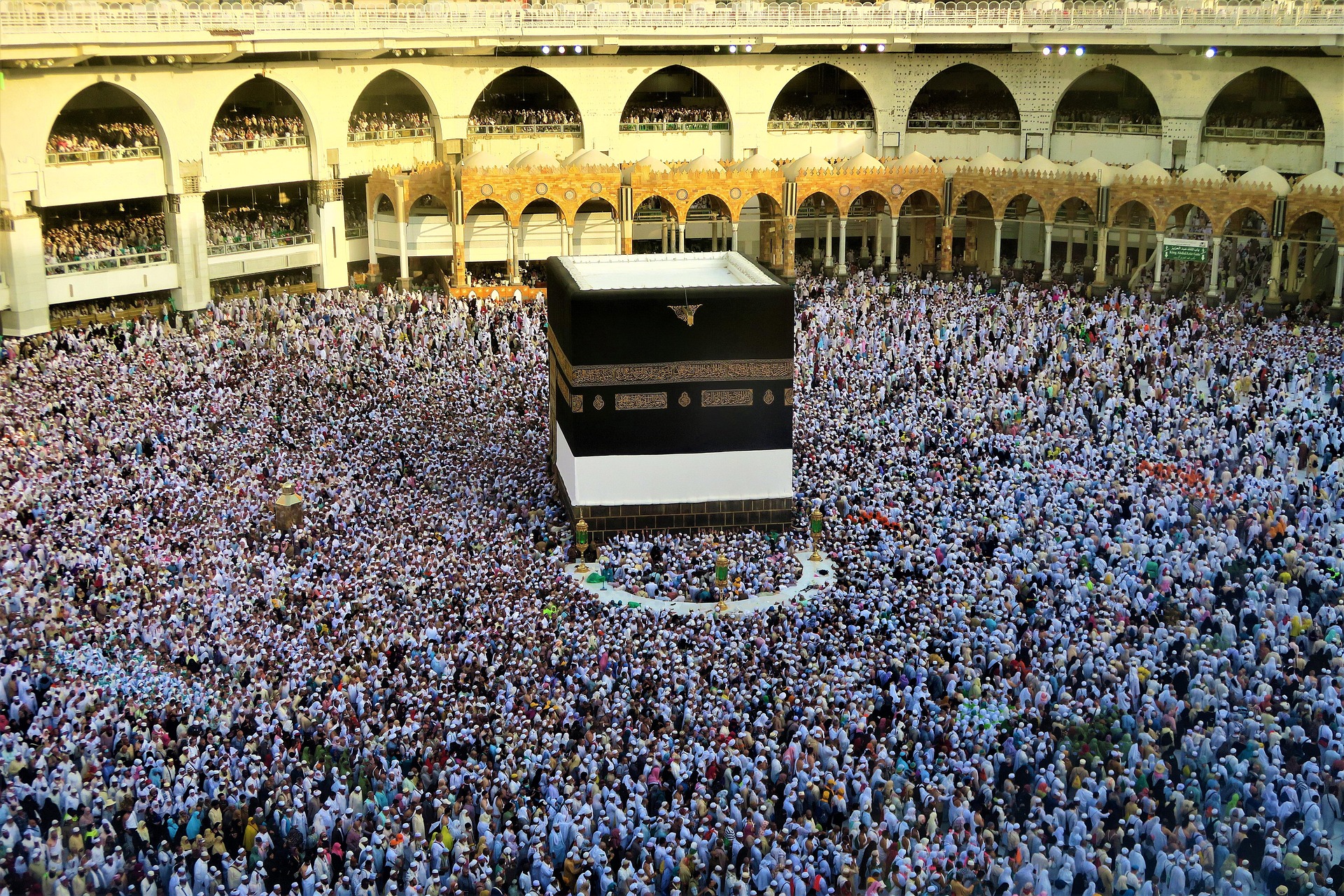
Ramadan is the ninth month of the Muslim calendar and one of the most anticipated times of the year. It is the month of fasting, the fourth pillar of Islam.
Why fast?
Fasting is not a pointless deprivation. It aims to:
- develop self-control and patience;
- strengthen the awareness of God (taqwa);
- feel the hunger of the most deprived and cultivate generosity;
- purify the body and mind.
The rules of fasting
From dawn (Fajr) to sunset (Maghrib), the fasting person abstains from:
- eating and drinking;
- smoking;
- intimate relations;
- bad behavior (lying, backbiting, anger).
The meal before dawn is called Suhoor, and the breaking of the fast at sunset, the Iftar, traditionally with dates and water.
Who is exempt from fasting?
Islam is a religion of ease. The following are exempt (temporarily or permanently):
- the sick and frail elderly;
- travelers;
- pregnant or breastfeeding women;
- women during their menstruation;
- children who have not reached puberty.
Depending on the case, the missed fast is made up later or compensated with alms.
The spiritual benefits
Ramadan is a month of reading the Quran, night prayers (Tarawih), and increased generosity. It concludes with the celebration of Eid al-Fitr, a moment of joy and sharing.
“O you who believe! Fasting is prescribed for you as it was prescribed for those before you, so that you may attain piety.” (Quran 2:183)
To organize your fasting days, try our fasting calculator.